
In 2026, Assassin's Creed Shadows can be viewed through a clearer lens than the one offered during its volatile pre-launch period. Before release, the game became one of the most visible targets of online 'anti-woke' campaigns, a storm that gathered around its characters, setting, and creative choices. Ubisoft reportedly prepared to defend employees, including psychological and legal support for staff caught in online hate campaigns. That context made the eventual launch reception all the more striking: once players had the game in hand, praise largely drowned out the remaining vocal complaints. The development team's response was gratitude, not triumphalism.
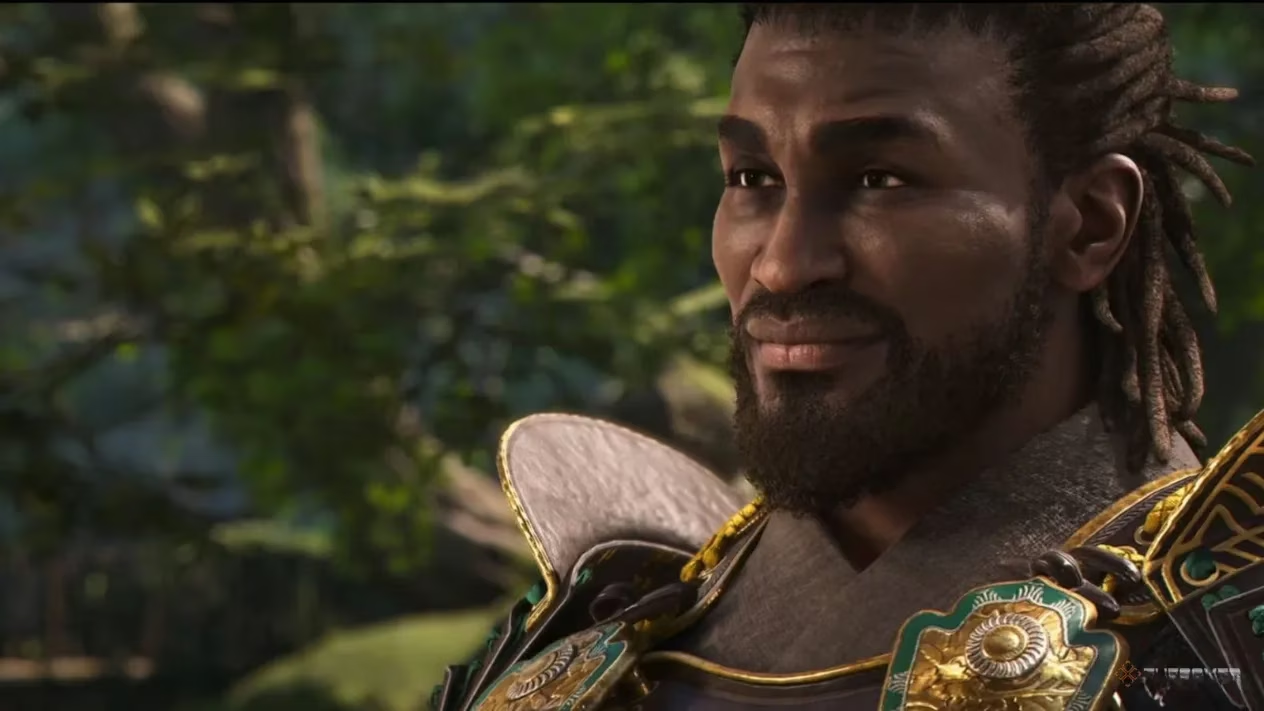
The contrast between the pre-launch noise and the launch weekend is central to the game's public story. For months, Assassin's Creed Shadows had been treated by some online factions as a proxy battlefield, with criticism often sliding from design debate into coordinated hostility. Ubisoft's reported preparations for employee protection underlined how serious the pressure had become. Yet the culture-war squall broke against a harbor wall of player enthusiasm once the game was available. The conversation did not become uniformly positive, but the balance shifted decisively. Praise for the experience, the world, and the creative risks became the dominant frequency.
| Phase | Dominant tone | Notable detail |
|---|---|---|
| Pre-launch | Hostile and polarized | Online 'anti-woke' campaigns targeted the game and its team |
| Launch weekend | Largely positive | Player reactions overwhelmed much of the remaining criticism |
| 2026 perspective | Reflective and measured | The game is discussed more as a creative product than a culture-war symbol |
The development team made its appreciation explicit after launch. According to the message shared with the community, many members of the dev team spent the weekend reading player reactions across the Assassin's Creed subreddit. The team described the volume of love and positivity as incredibly heartwarming, noting that seeing excitement, thoughtful reactions, and joy meant the world to the staff. After years of hard work, the developers found nothing more rewarding than watching the community connect with what they had created. The thank-you note landed like a lighthouse beam after a fogbound crossing: modest in form, but clarifying in effect.
That message also avoided the trap of treating praise as a final verdict. The team said it was 'listening' to feedback so the game could 'keep improving.' It closed by describing the launch as 'just the beginning for Shadows,' a signal that updates and refinements would follow player response. In practical terms, the launch itself gave the developers plenty to feel good about. Assassin's Creed Shadows reached two million players in just two days and recorded the highest concurrent player number on Steam in the entire series. Those figures matter because they translate online argument into measurable engagement. The game's launch became a tuning fork struck against the wider noise: it did not silence every critic, but it revealed which vibrations carried real weight.
By 2026, the initial controversy no longer dominates the conversation in the same way. Vocal groups still complain about perceived 'wokeness,' but that chorus now reads as a background hum rather than the main signal. The more durable discussion concerns post-launch support, player feedback, and how Ubisoft stewards a game that arrived under unusual pressure. The studio's decision to thank fans publicly, while promising to keep listening, fits a broader pattern in modern game development: launch is not an ending but a handshake. For Assassin's Creed Shadows, that handshake appears to have been accepted by a large and enthusiastic audience. The episode remains a useful case study in how a game can be dragged into a culture-war crossfire before release, then reclaimed by the people who actually play it. 🎮