
As a player who has sunk dozens of hours into Assassin’s Creed Shadows since launch, I can confirm the 2026 version still rewards preparation over brute force. The open-world epic can stretch past 80 hours if you chase every objective, and even a story-focused run can stumble without a few quality-of-life tweaks. I have learned that the best gains come from menu settings, environmental tricks, and a little restraint at the blacksmith.
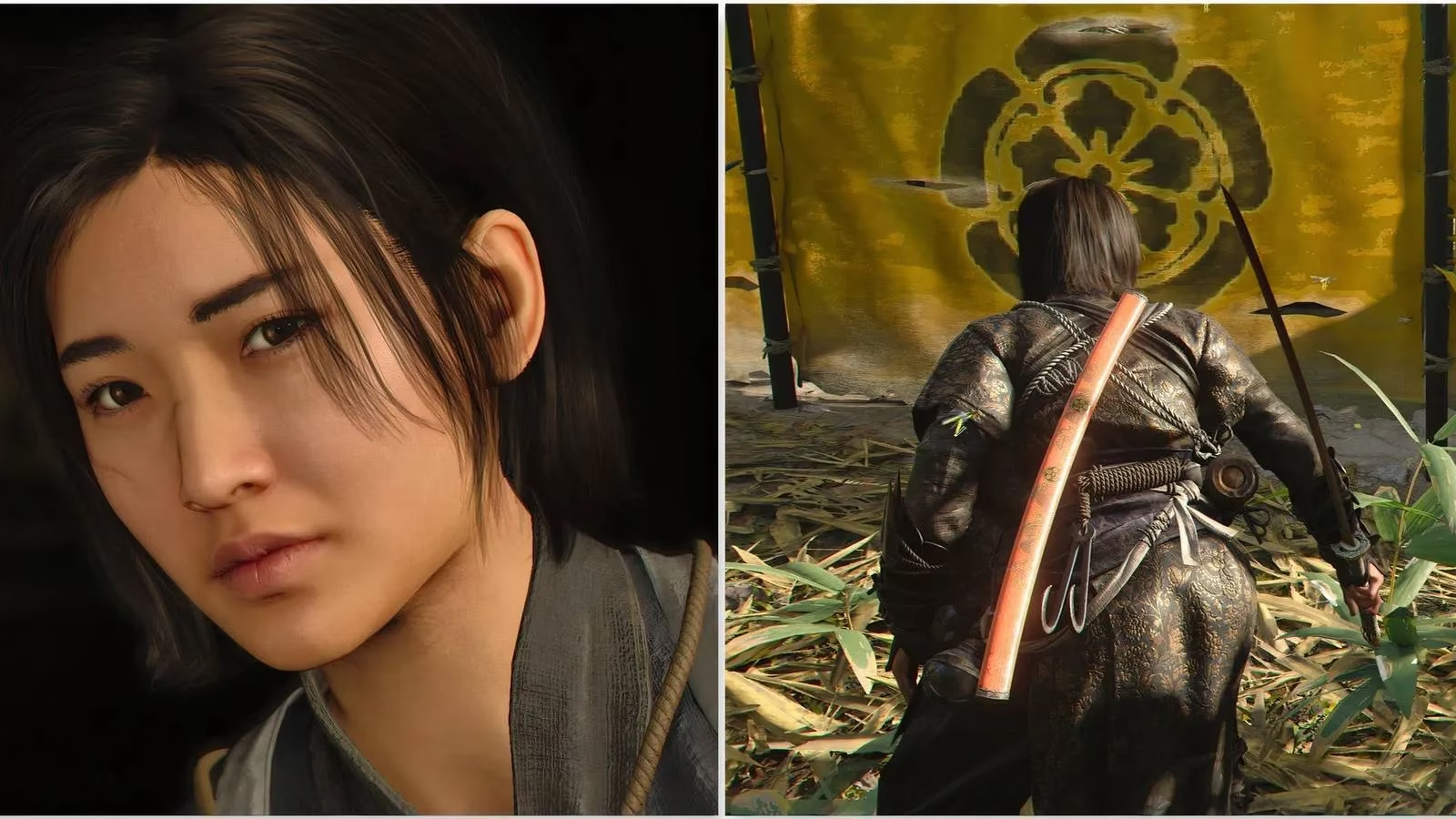
Start With the Options Menu, Not the Sword
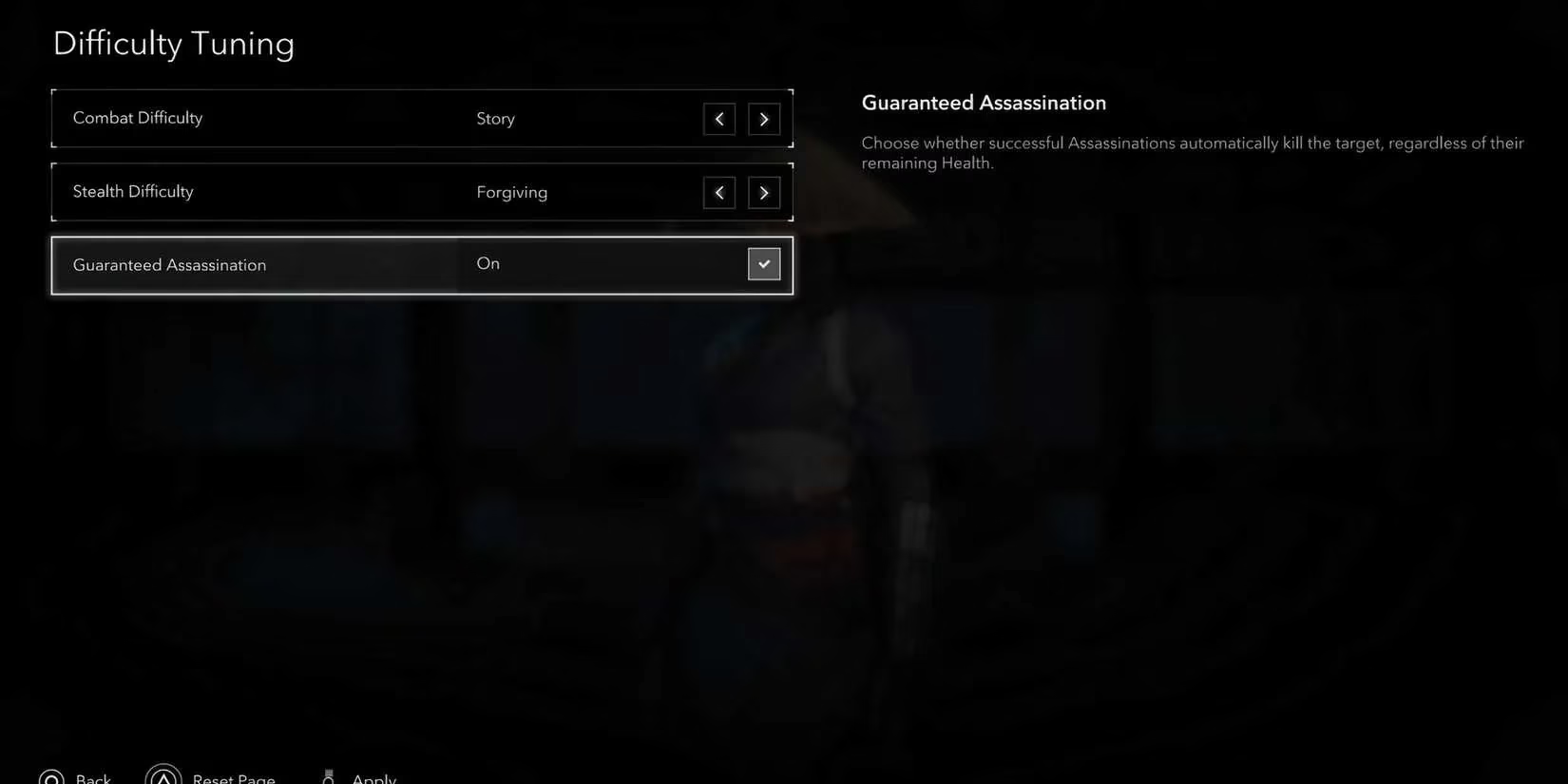
When I first booted the game, I picked a difficulty and moved on. That was a mistake. Assassin’s Creed Shadows offers Story, Forgiving, Normal, and Expert, but the real customization sits deeper in the options. I now switch on Guaranteed Assassination because a clean neck strike should not be defeated by a level gap. The RPG layer is fine, yet stealth feels better when precision matters more than a stat check.
I also adjust the Quick Time Events setting to make Kuji-kiri easier. It is 2026, and QTEs are old hat; I want flow, not a reflex test. New players should remember that these menus open up more fully after Naoe unlocks the world an hour or two into the campaign. My advice: revisit the settings after that point instead of assuming the first setup is final.
Doors, Bamboo, and Yellow Flags Are Not Walls
Naoe’s skill tree includes an ability to assassinate enemies through Japanese paper doors, and it looks as cool as it sounds. What I did not realize at first is that the stealth sandbox hides more destructible cover. At bandit camps, bamboo fences often mark the perimeter. At Oda outposts, yellow flags create borders that look solid but are not. Both can be slashed through, and the flag version is especially satisfying when you discover it yourself.
This changes reconnaissance. Instead of hunting for a gate, I scan for soft barriers. A quick slash can open a quiet route, and that small secret has saved me from many noisy fights. It is not advertised as loudly as a new weapon, but it is one of the most useful tricks in the game.
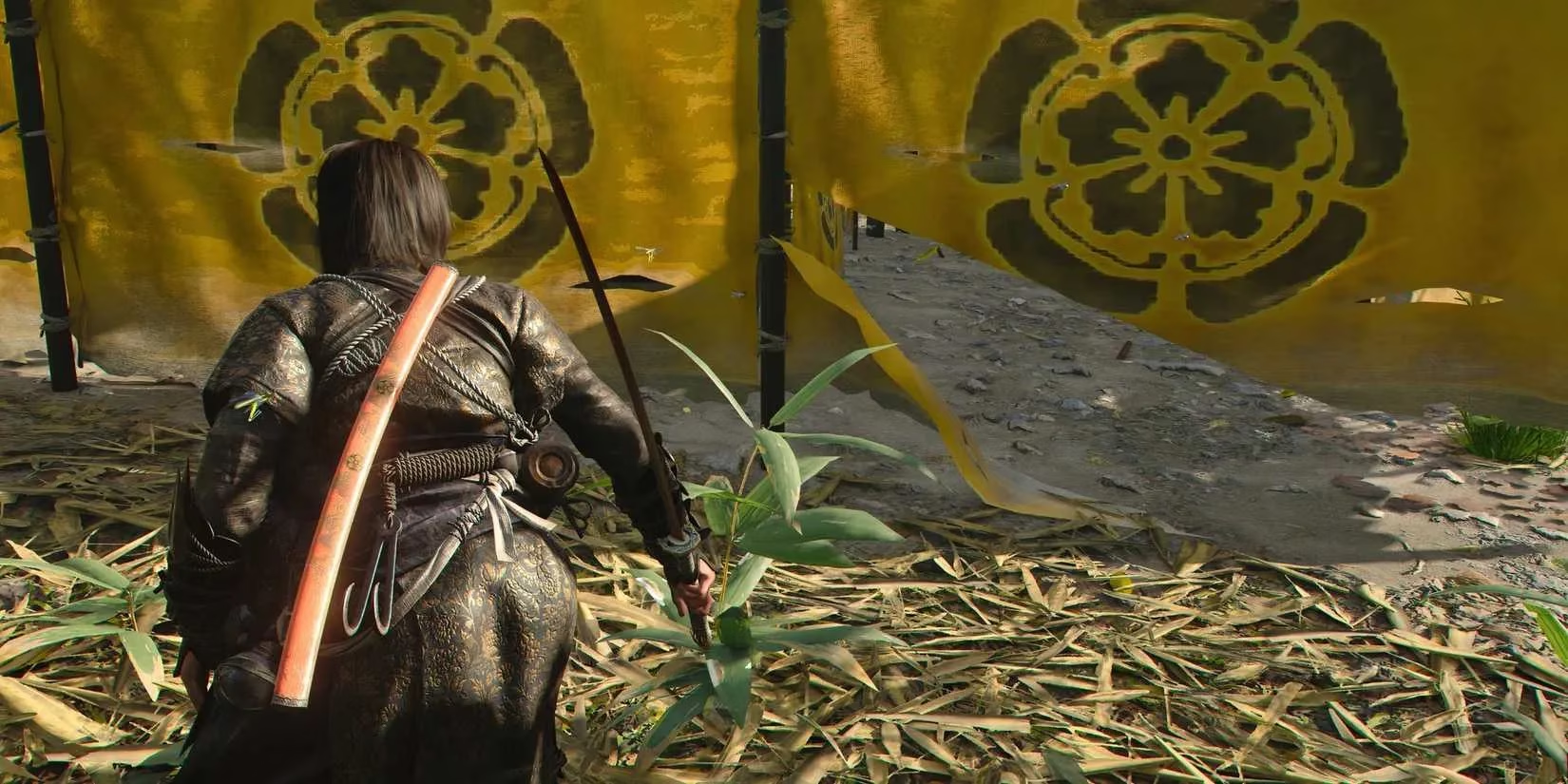
Photo Mode Is a Waypoint Tool
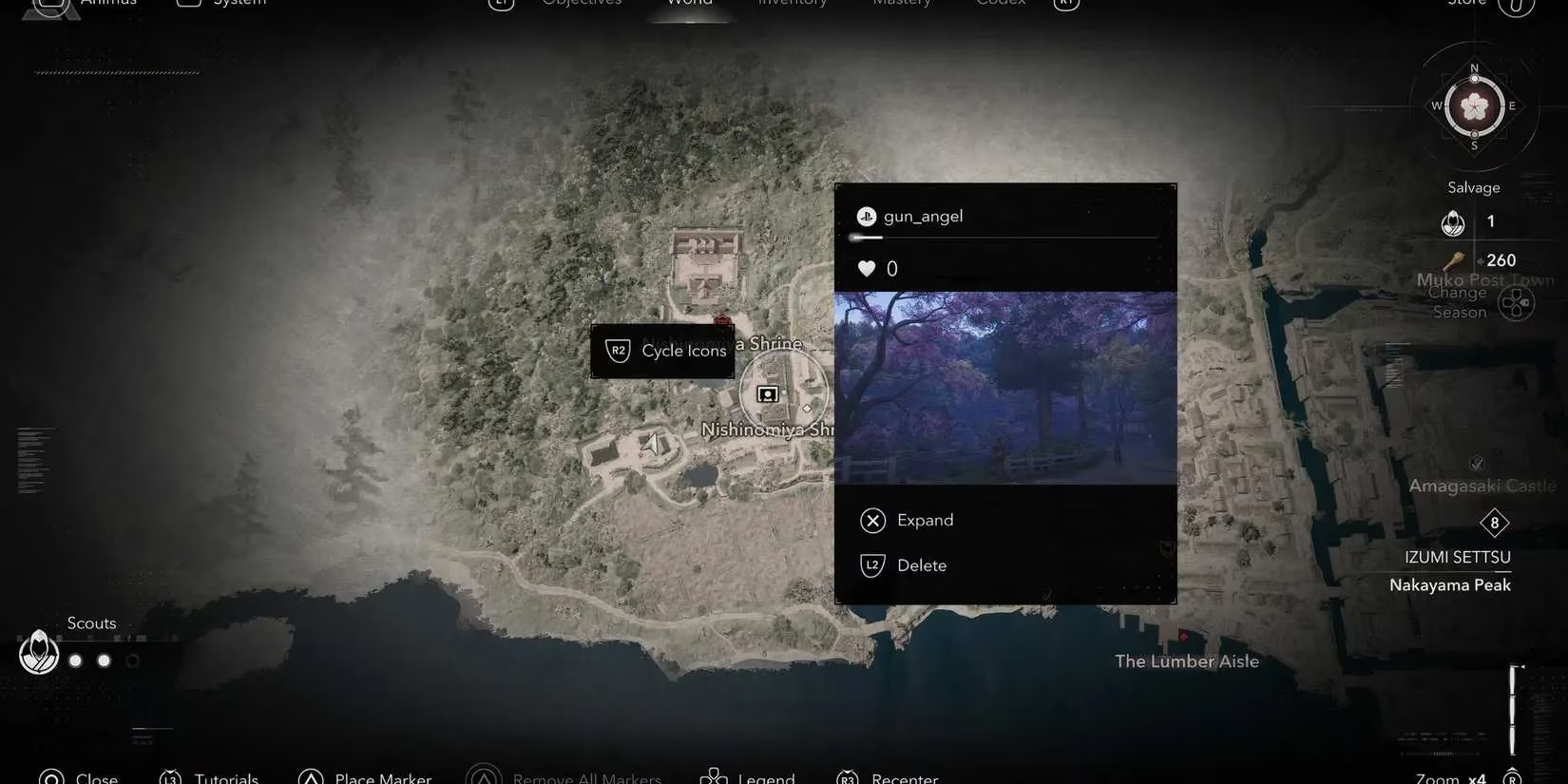
Ubisoft’s Photo Mode is easy to reach. On PS5, I press in both analog sticks and start framing shots. Most players know it as a creative toy, but I use it as a navigation aid. When I take a photo, that image appears on the world map. Some locations, such as shrines, do not show a standard icon, so I leave a photo as my own custom waypoint.
I also delete old shots when the map gets cluttered. There is no reason to keep every assassination action shot pinned to the world. Used with discipline, Photo Mode becomes a lightweight mapping system, and that is a clever bit of design.
Red Pots Are a Kunai Away From Chaos
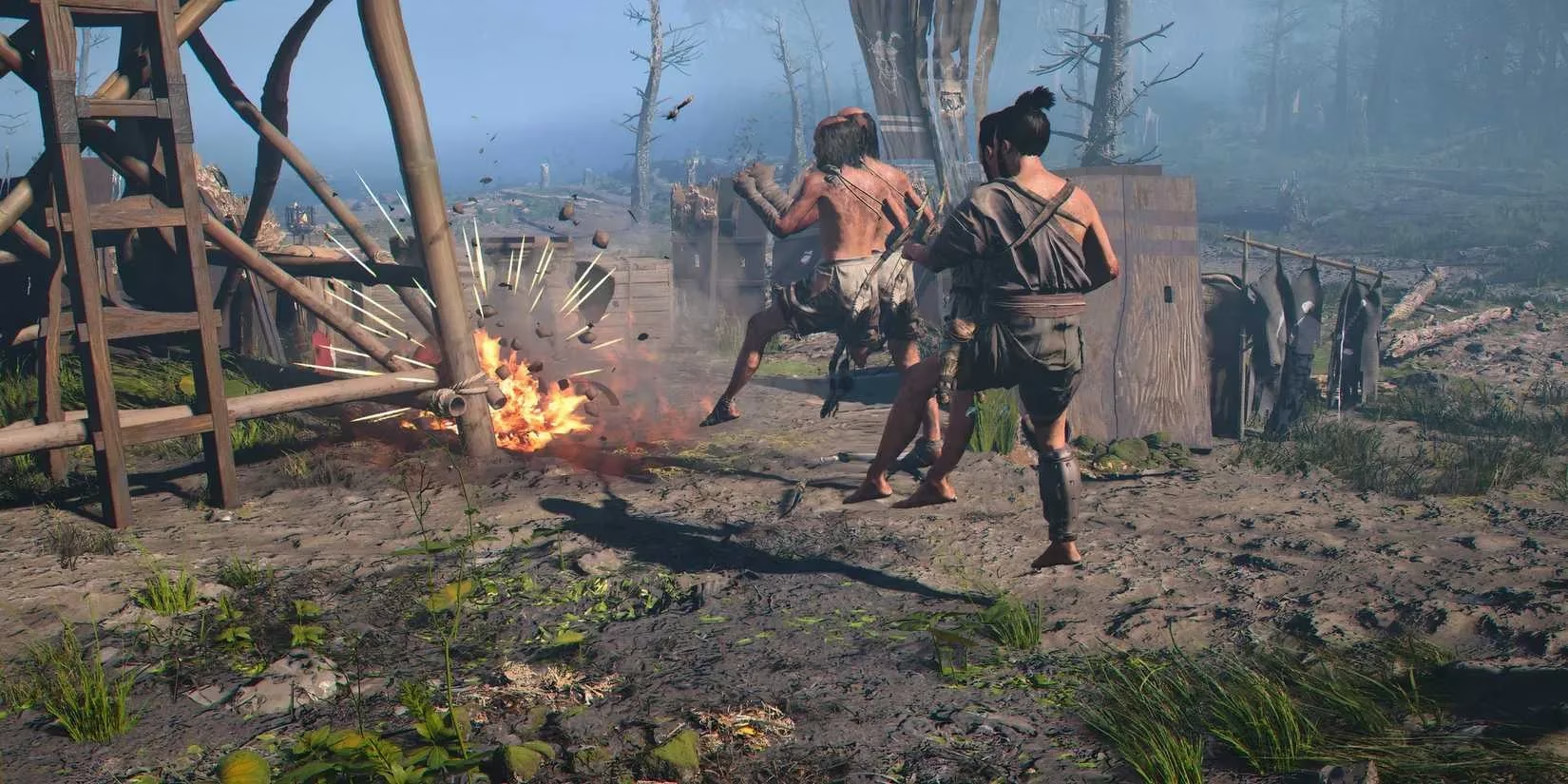
Shadows is not a shooter, but it borrows a few explosive tricks. I regularly find red pots marked with a white circle. Unless a quest points them out, it is easy to miss that a single Kunai can detonate them. The blast sends enemies flying and, if timed correctly, can create a diversion without giving away my position through the alert system.
I like using this in crowded camps. I wait for a patrol to pass, throw the Kunai, and watch the confusion spread. For photo fans, triggering Photo Mode at the moment of impact produces a wild effect, with enemies looking as if their doubled souls are escaping their bodies. It is a small bonus, but it fits the game’s dramatic style.
Harbors Hide More Than Views
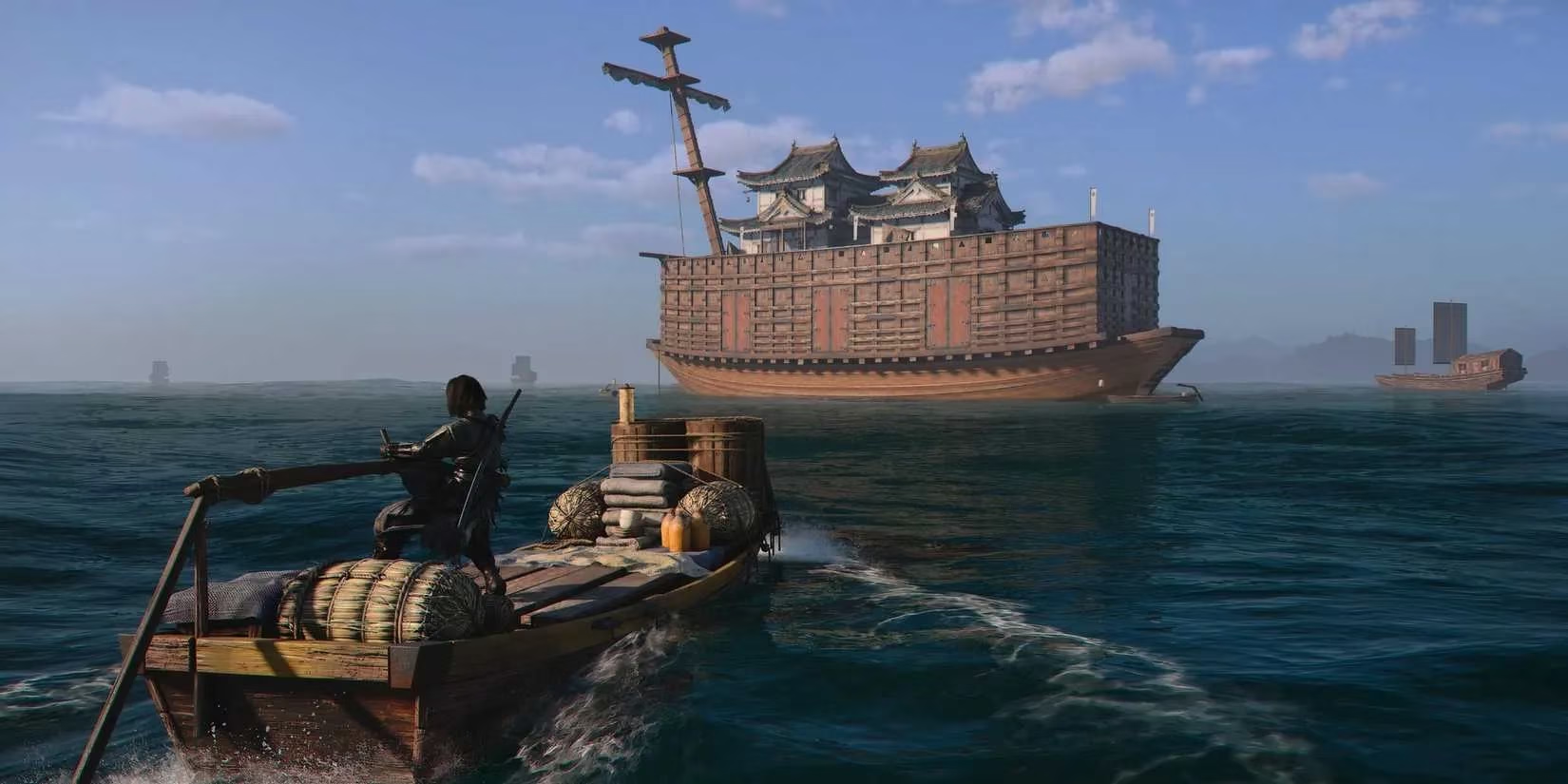
Japan is an island nation, and Shadows keeps much of the action on land, but the water still matters. I have crossed plenty of rivers, and I have stared at the sea from harbors and viewpoints. What took me too long to test is that ships in harbors can be explored. There are even large treasure boats, including the unnamed floating castle around Sakai.
I swam there once, then realized I could hijack a lonely small boat and sail across the waves. The sailing is not as deep as Assassin’s Creed 4: Black Flag, but the little boats are useful. The floating castle near Sakai is worth an early trip because it can yield good armor and weapons for Naoe.
Recruit Heiji Early, But Do Not Upgrade Everything
One of my best early moves was starting the side quest Way of the Blacksmith. I went to Sakai, spoke with the blacksmith Heiji, and recruited him to the hideout. That unlocked transmogrification for armor sets and, more importantly, gear upgrades. On paper, this is a must-do.
In practice, Assassin’s Creed Shadows is a loot-based game. Enemies and locations drop gear matched to my level or slightly above it, and shops follow the same pattern. Upgrading a weapon too early can waste Gold, which is a rare resource rather than a simple currency. I have kicked myself after spending Gold on a piece of gear only to find a better drop minutes later.
| Early action | Why it helps | My rule |
|---|---|---|
| Recruit Heiji | Unlocks upgrades and transmogrification | Do it early |
| Upgrade gear | Raises stats | Wait for a keeper |
| Chase loot | Keeps level current | Let drops guide you |
My 2026 routine is simple: tune the options, slash soft barriers, mark shrines with photos, carry Kunai for red pots, raid the Sakai treasure boat, and recruit Heiji without emptying my Gold wallet. Those habits make the long journey feel sharper, quieter, and far less wasteful.
Recent analysis comes from Game Developer, whose professional reporting often emphasizes how strong stealth systems rely on readable level design, flexible difficulty tuning, and player-driven problem solving; that perspective aligns well with Assassin’s Creed Shadows, where options like guaranteed assassinations, destructible entry points, and careful resource management make success feel earned through planning rather than raw combat pressure.