
Few things in Assassin’s Creed Shadows feel as thrilling as raiding a castle and stuffing your pockets with every shiny trinket the game throws at you. But then, mid-mission, Naoe or Yasuke suddenly can’t sprint because their inventory is bursting with seven hundred teacups and five dozen rusty katanas. Panic sets in. What stays? What goes? Hoarding might feel safe, but in 2026, seasoned shinobi know that an overstuffed bag leads to endless item-scrolling misery—and a wallet that’s dangerously light on Mon just when you need 10k for a single Gold upgrade.
The simple fact is this: certain items exist solely to be converted into cold, hard cash. Holding onto them not only wastes time but actively cripples your late-game gear progression. Before you start believing every lowly short sword has sentimental value, glance at these four categories. Liquidate them without mercy, and you’ll be swimming in Mon before the next sunset over Azuchi.
⛏️ The Great Material Mountain (Anything Over 3,000)
Let’s be real: nobody needs 4,800 pieces of hemp cloth. Yet there it sits, mocking you from the inventory screen. While basic crafting materials—iron, leather, silk, and so on—are the backbone of your hideout and gear upgrades, their usefulness has a hard cap for casual hoarders. Once you’ve breached level 30 and rolled into the mid-to-late game, the demand per upgrade skyrockets (think 120–160 mats per pop), but the trick is that your farming efficiency skyrockets too.
Designate a safe threshold of roughly 3,000 for each regular resource. Everything north of that number is dead weight. Sell the surplus immediately. Crucially, never sell Hideout Resources or Gold; those are sacred. But a stack of 3,847 cherrywood? Turn it into Mon. It feels reckless the first time, but the cash injection is glorious. The forges and merchants of feudal Japan have no loyalty to your dragon-like stash—they only care about your coin purse.
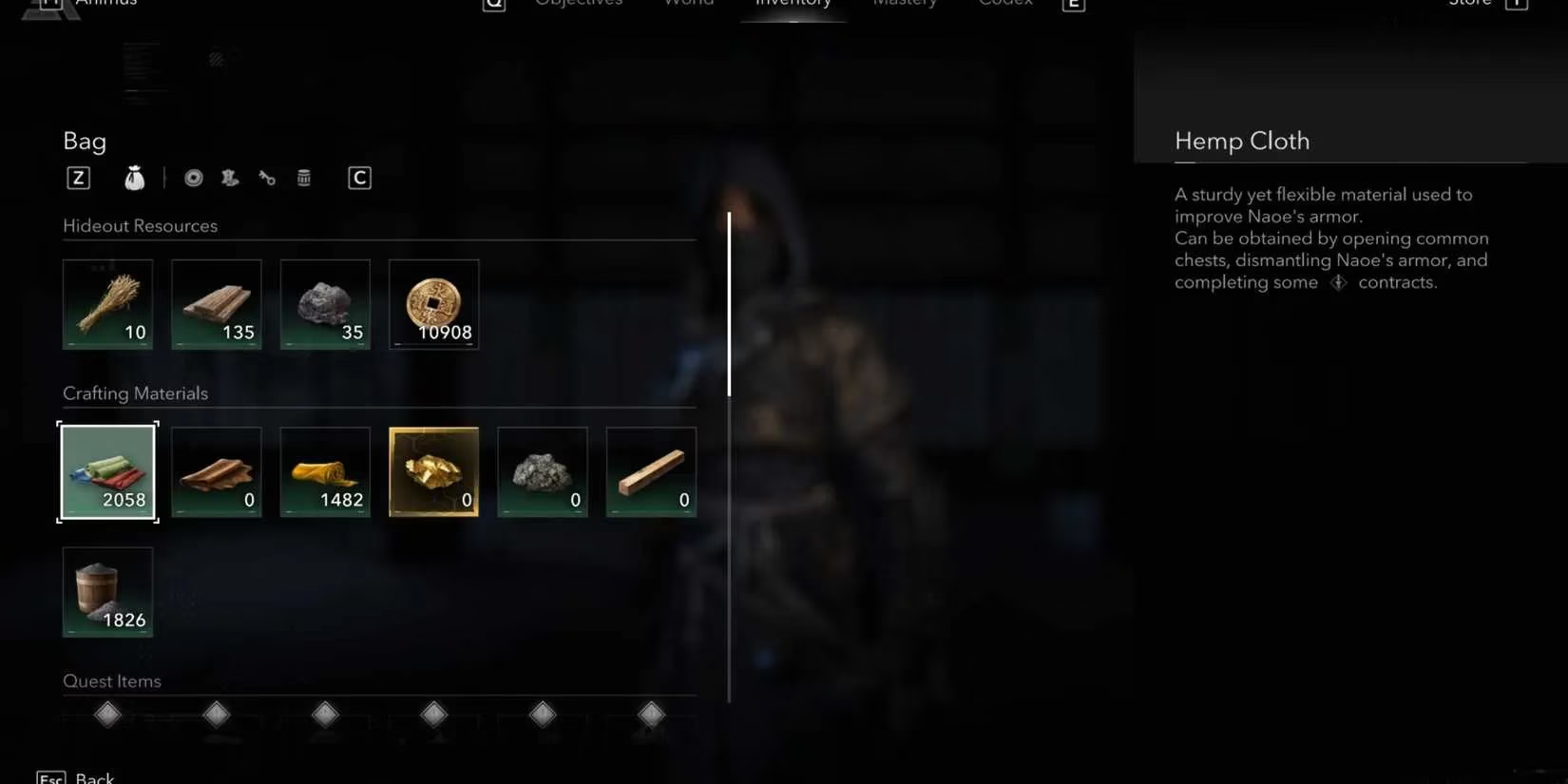
One veteran’s trick: treat materials like a seasonal harvest. After every major castle siege or a long exploration loop, stop by a vendor and offload whatever surplus you’ve gathered. You’ll keep a healthy buffer for upgrades, and the steady income means you’ll never miss a chance to buy that elusive Gold bar when an itinerant merchant appears.
💎 Valuables: The One-Trick Ponies
If an item’s description doesn’t mention crafting, upgrading, or hideout development, you’ve got yourself a Valuable. These delightful little doodads—carved ivory, jade trinkets, silk fans—exist for one reason: to be sold. They have no hidden utility. You can’t equip them, you can’t upgrade them, and you certainly can’t show them off during a stealth kill.
What makes Valuables insidious is how quietly they multiply. Every chest, every defeated ronin, every resource cache adds another decorative comb or precious gem to your pockets. Before long, you’re carrying a small museum’s worth of items that could have already been converted into the legendary blade you’ve been eyeing. The rarities (white to purple/gold) only affect their sell price, so never get sentimental over a yellow-quality item that does precisely nothing.
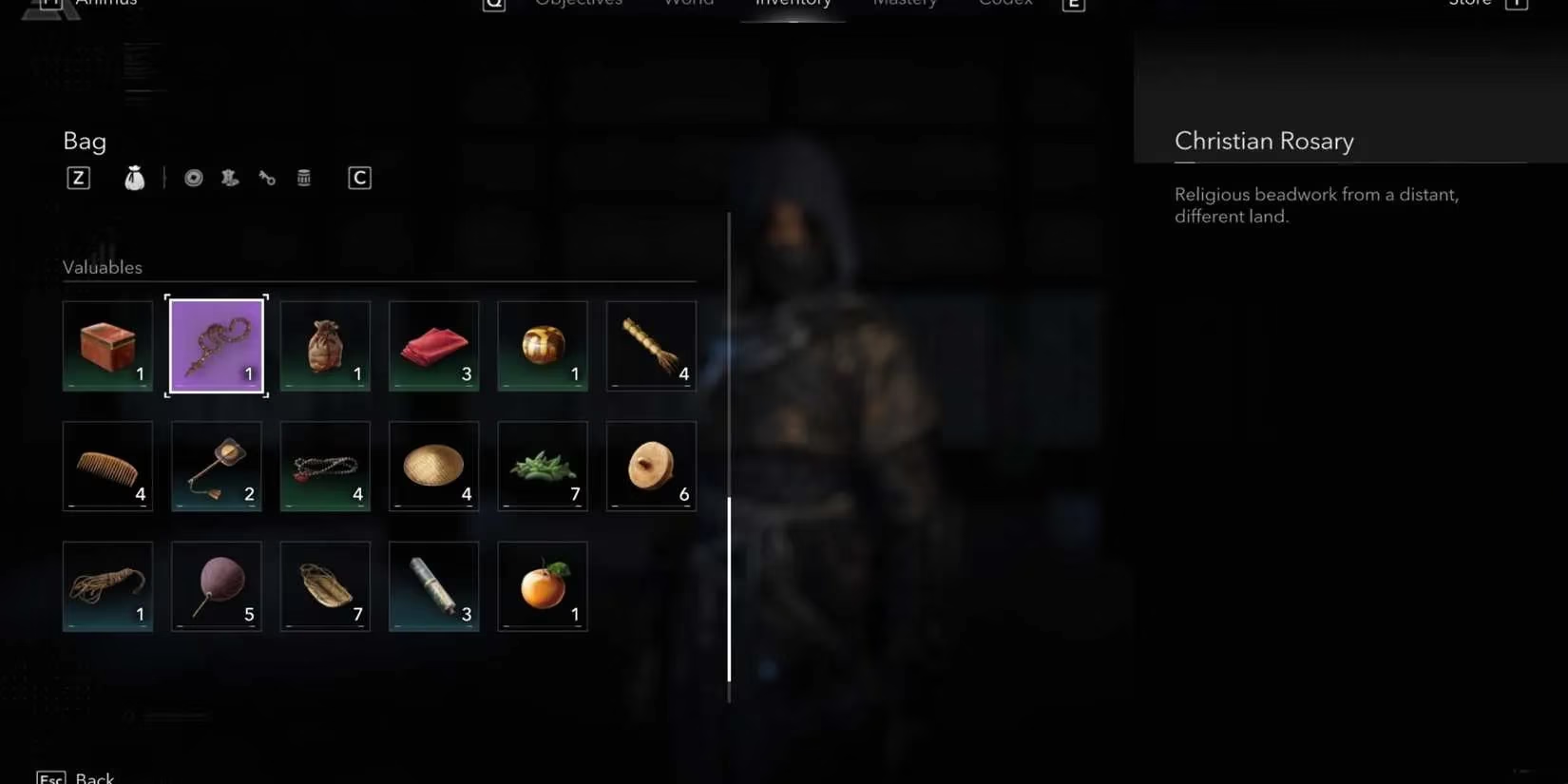
Regular cleansing is the key. Make it a rule: every two or three side objectives, or after the climax of any main story mission, sprint to the nearest merchant and dump every Valuable in your inventory. The psychological weight lifted is almost as rewarding as the Mon you’ll receive. And late-game, that Mon could be the difference between a fully upgraded hideout and a sad, half-finished garden.
⚔️ White & Green Weapons: Love ‘Em and Leave ‘Em
It’s understandable. Naoe’s first katana has carried you through dozens of assassination contracts, and Yasuke’s starting bow saw some epic long-range headshots. But somewhere along the journey, you start finding blue, purple, and legendary gear that makes those early weapons look like pool noodles. Holding onto white and green quality weapons is the inventory-management equivalent of keeping a fridge full of expired leftovers.
The game is absolutely drowning in loot. By the time you’re raiding your third castle, low-tier weapons are dropping from every other enemy. Even some blue-quality weapons—outside those with unique perks dropped by the Kabukimono—begin to feel ho-hum. Your scrolling list becomes a nightmare, and finding the actual gear you want to equip turns into a frustrating game of Where’s Waldo?
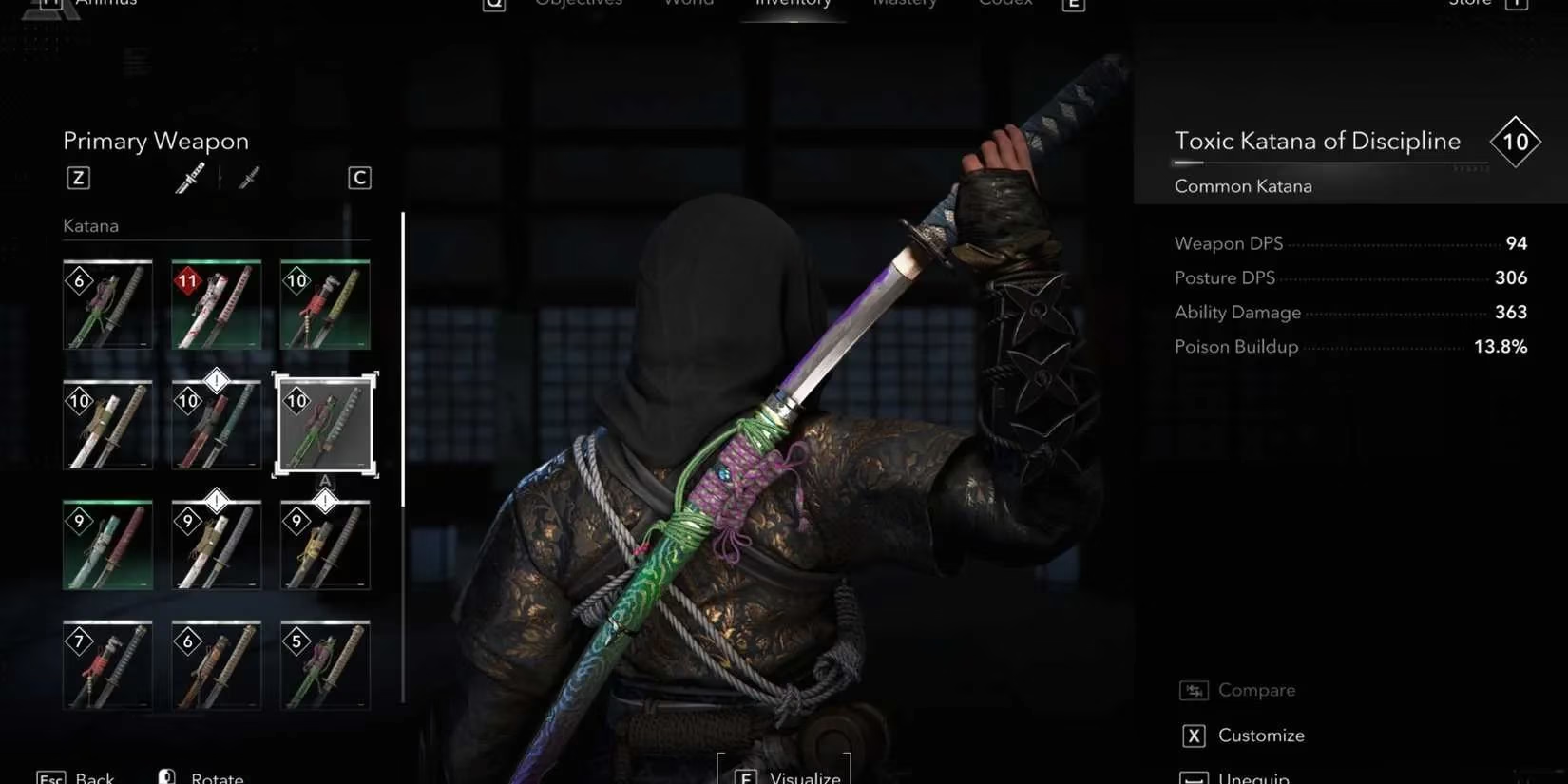
So what to do? The choice is a simple fork in the road: sell for Mon or scrap for resources. If your material stocks are sitting comfortably below that 3,000 threshold, scrap away—those low-quality weapons will contribute to your forging ambitions. If materials are plentiful, sell. The Mon will help you upgrade the actual legendary gear that deserves your attention. The only exception? Never sell a weapon with a perk you haven’t yet unlocked in the mastery tree. Other than that, you’re clearing inventory space for the good stuff.
👘 Spare Armor: Your Closet Doesn’t Need That
Armor hoarding is a special kind of folly. Every piece of dropped headgear, every faded robe, every shoulder guard that squeaks “+2% defense” whispers sweet promises of usefulness, but the truth is brutal. By the time you’ve hit late-game, Legendary armor sets define the meta for both Naoe and Yasuke, offering synergies that make random blue pieces irrelevant.
Sure, early on you might throw on a mixed set for a quick stat boost during a tough mission without returning to your hideout. That’s fair. But the moment you step out of that encounter, that patchwork armor needs to go. The 10k Mon price tag on a single Gold resource from itinerant merchants isn’t going to pay itself, and your inventory full of obsolete chest plates is a goldmine waiting to be cashed in.
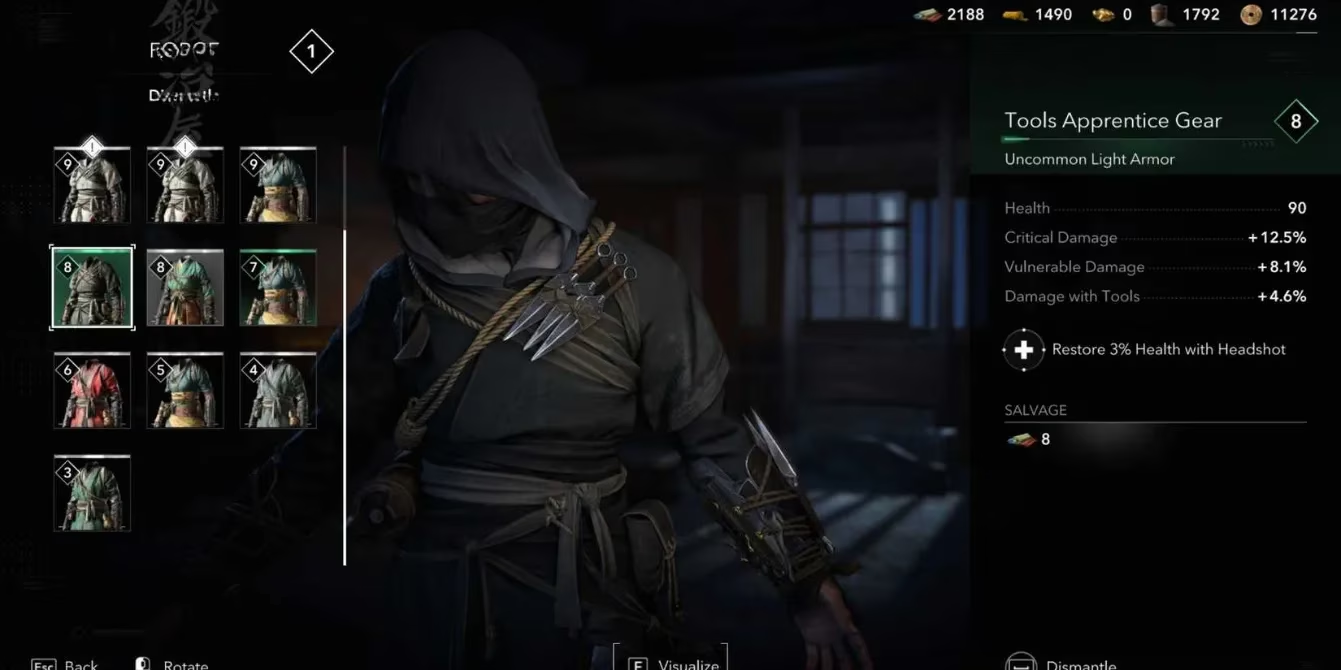
Think of it as spring cleaning. That blue hood with the forgettable perk? Sell. The green greaves you’ve been hoarding “just in case”? Sell. Even some legendary duplicates (once you’ve settled on your build) can be liquidated. The most ruthless players purge armor after every major exploration loop, keeping only their equipped loadout and maybe one backup. The result? A sleek inventory, a generous Mon balance, and zero time wasted squinting at a list of 80 near-identical footwear options.
💰 Final Wisdom: Loot Is Fleeting, Mon Is Forever
Hoarding in Assassin’s Creed Shadows isn’t just a storage problem—it’s an economic one. Every item you stubbornly hold onto is a potential upgrade for Yasuke’s devastating kanabo or Naoe’s legendary tanto that you haven’t made yet. By selling excess materials, dumping useless Valuables, and mercilessly pruning white/green weapons and spare armor, you transform clutter into power.
In 2026, with the community having dissected every corner of the game, the consensus is clear: the path to a perfectly optimized hideout and maxed-out gear runs straight through the nearest vendor. So take a deep breath, open that overflowing inventory, and start selling. Your future shinobi self—dashing across rooftops with pockets full of Mon—will thank you.