
The sprawling world of Assassin's Creed Shadows continues to unfold with unexpected treasures, and among the most intriguing is the elusive Works of Luis Frois quest. Nestled within the bustling streets of feudal Japan, this free story drop materializes like a whisper in the wind—visible yet easily overlooked amid the cacophony of map markers and side missions. Players exploring Omi's northeastern reaches might stumble upon a peculiar black diamond symbol near Azuchi's Merchant Quarters, unaware they're standing at the threshold of a narrative woven with historical intrigue. Unlike the game's thunderous main campaign, these post-launch additions arrive without fanfare, demanding eagle-eyed attention from those seeking hidden depths in Ubisoft's samurai epic.
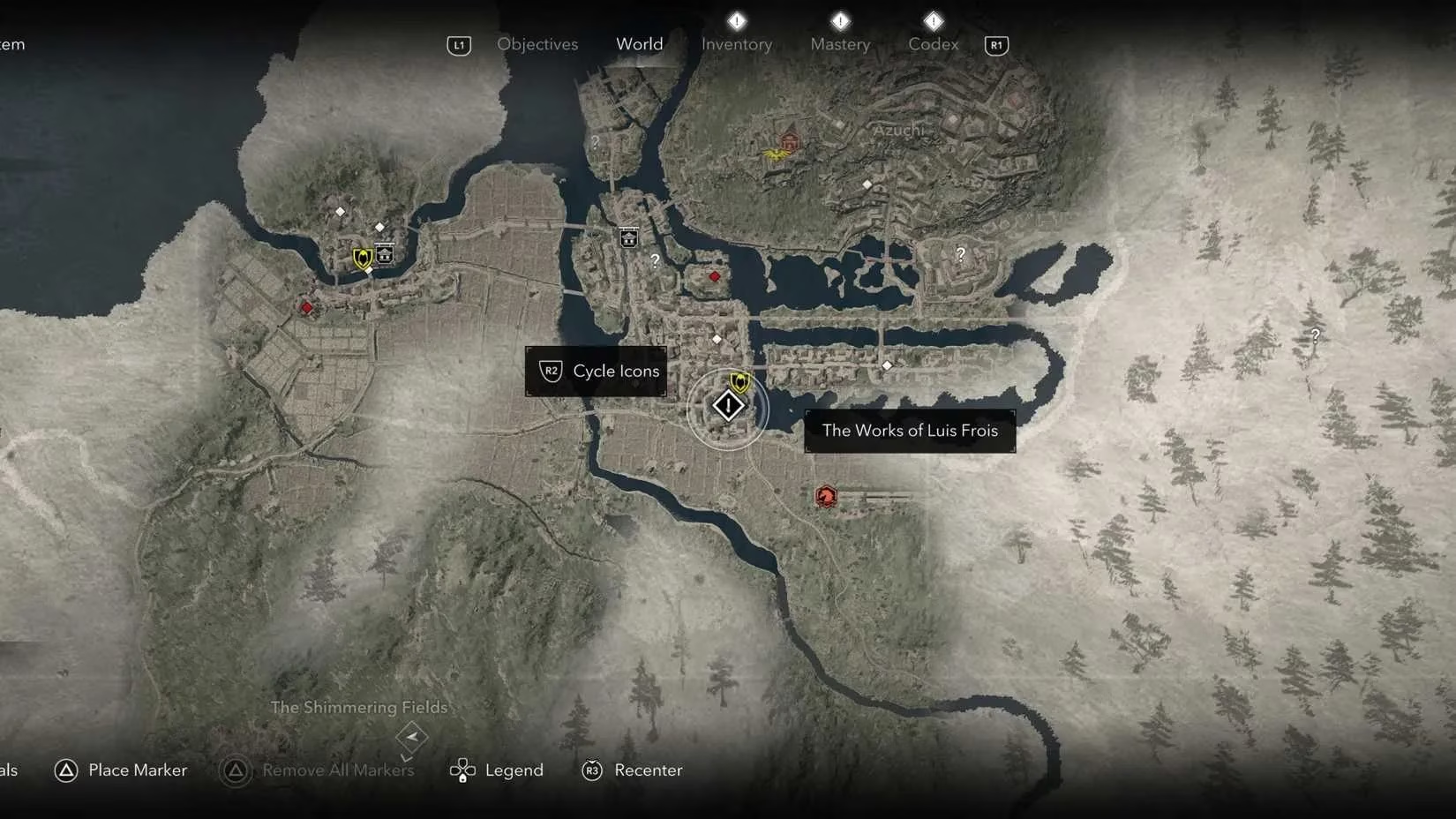
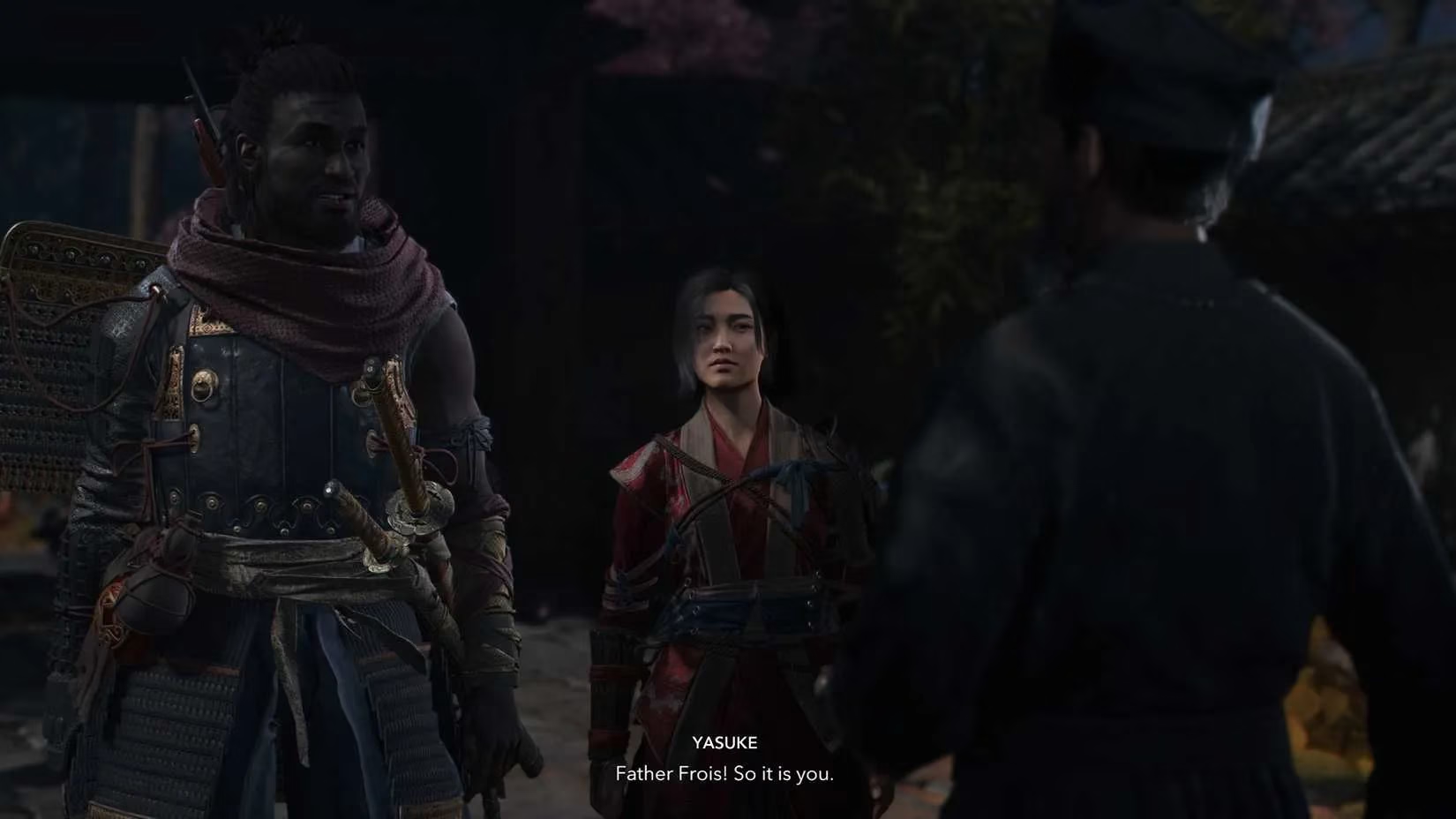
Accessing the quest requires more than geographical awareness. Guardians must first complete Yasuke's pivotal "The Path He Walks" mission—a narrative checkpoint halfway through the main saga where choices ripple across alliances. Once this gate swings open, the Jesuit missionary Luis Frois emerges as a spectral figure near the Kakurega district. His predicament? Three stolen manuscripts containing observations crucial to understanding Japan's cultural tapestry. Whether approached by the hulking Yasuke or nimble Naoe, Frois' desperation hangs thick as Kyoto mist. The game cleverly subverts expectations here; while Naoe's supernatural perception normally highlights objectives, players must instead rely on mundane human senses—zooming cameras to spot deceptive blue glimmers among market stalls.
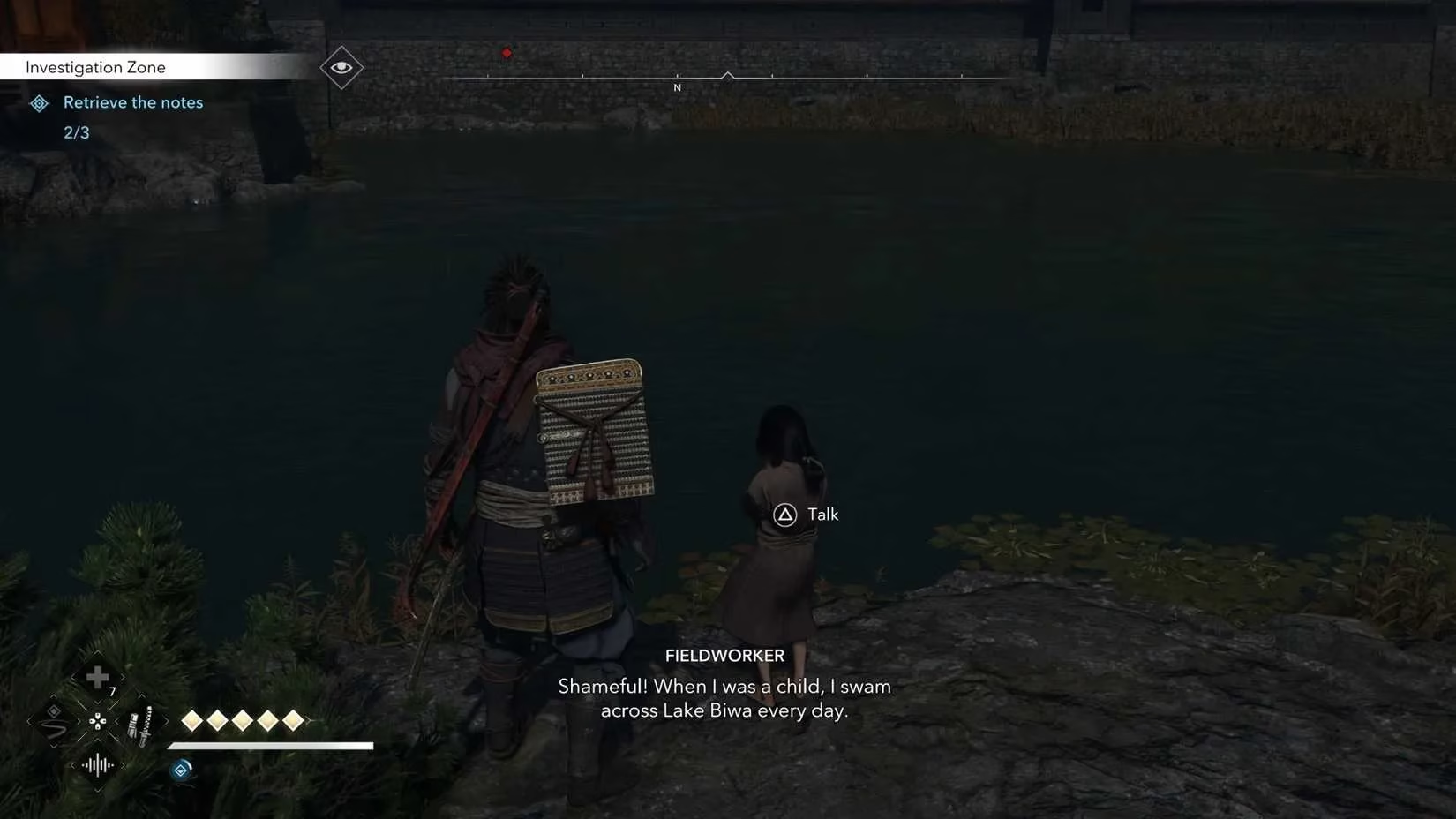
The hunt for the manuscripts becomes an exercise in urban eavesdropping. Near the quest's origin point, a mother's sharp reprimand slices through merchant chatter—a clue leading to the first scroll clutched by a frightened child. This human vignette contrasts sharply with the second challenge: a feathered thief nesting on terracotta rooftops. Townsfolk gossip about the winged bandit, their murmurs acting as auditory breadcrumbs toward the elevated prize. Yasuke's brute strength makes scaling precarious here, while Naoe dances across tiles with practiced grace. The final document proves most treacherous, having drifted into river currents bordering a restricted compound. Guarded by watchful sentinels, this stretch demands shadows within shadows—a test of patience where careless footsteps trigger alarms.
What begins as simple retrieval blossoms into microcosmic worldbuilding. Each manuscript reveals Frois' outsider perspective on Japanese customs—tea ceremonies, warrior codes, seasonal rituals—transforming fetch quest mechanics into anthropological discovery. The absence of waypoint handholding feels deliberate, echoing the era's scarcity of clear information. Players become period-appropriate sleuths, piecing together clues through environmental storytelling and NPC dialogues rather than glowing trails. This design philosophy extends to the diverse approaches required: brute force for rooftop ascents, social finesse for calming frightened children, ghostlike infiltration for enemy camps.
Completing the trilogy rewards more than gear or experience—it unlocks Frois' secret archives, fleshing out minor characters through his outsider journals. The quest's subtle brilliance lies in how it repurposes existing systems: eavesdropping mechanics used for assassination intel become tools for cultural archaeology, parkour sequences transition from combat advantage to academic pursuit. Even Yasuke's physical limitations during climbing sequences reinforce his foreigner status in vertical Japanese architecture. Such layers transform what could've been mundane DLC into a tribute to history's quiet observers—those who documented civilizations from the margins.
Yet mysteries linger like unscented incense. Why would Ubisoft bury such rich narrative content beneath indistinguishable map icons? Perhaps it mirrors the hidden Christian communities Frois documented—stories waiting centuries for discovery. As Shadows evolves through future updates, how many more such gems lie camouflaged in plain sight, demanding players to trade haste for historical curiosity? 😌